












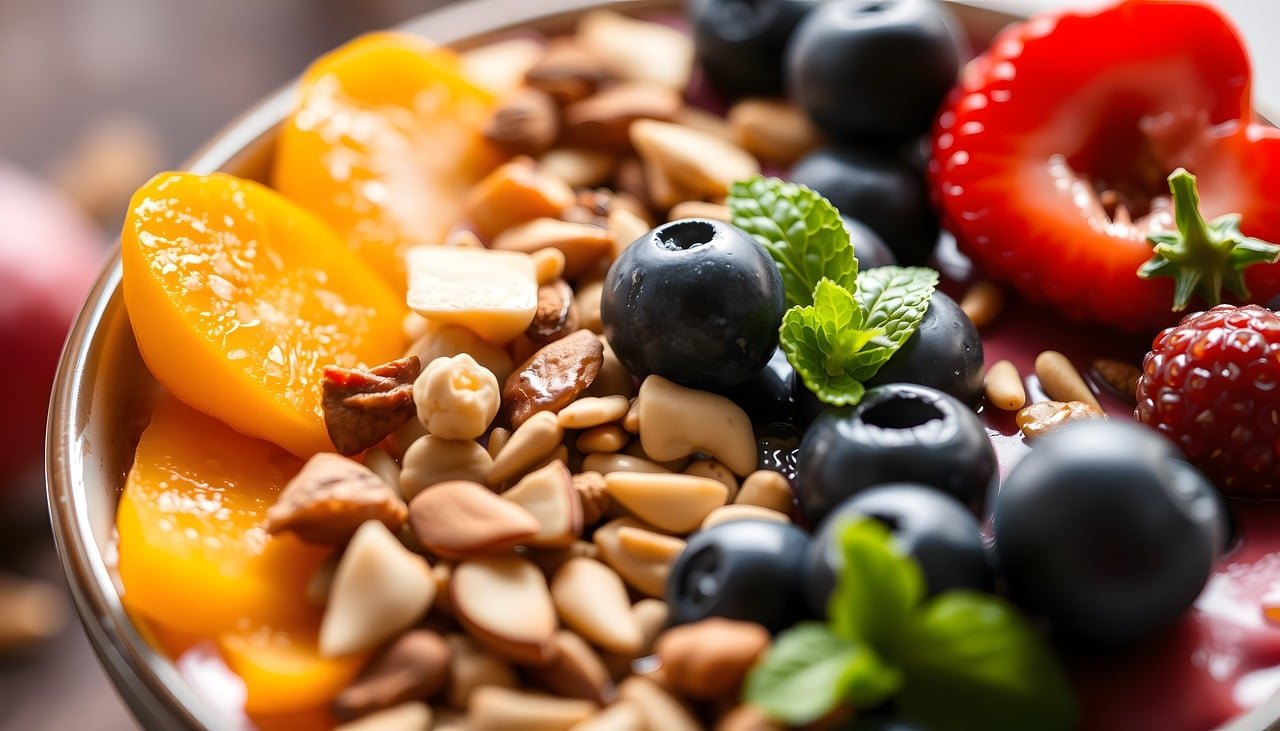
Eating well can often feel like a challenge. We all aim to nourish our bodies, reduce the risk of chronic diseases, and maintain a healthy weight. But how can we achieve these goals without sacrificing deliciousness or spending endless hours cooking?
We believe healthy eating is both achievable and enjoyable. This article will be your comprehensive guide to transforming your kitchen into a hub of wholesome, flavorful meals. We will explore the core principles of healthy eating, from balancing macronutrients to smart ingredient swaps. You’ll discover quick and easy recipes perfect for busy weeknights, learn how different cooking methods can boost nutrition, and find inspiration for every meal type, including fantastic Healthy recipes and night stars.
Join us as we dive into stocking a healthy pantry, adapting meals for various dietary needs, and even satisfying your sweet tooth with healthier options. Our goal is to empower you with the knowledge and recipes to make healthy choices a joyful part of your everyday life.
At the heart of healthy eating lies a clear understanding of what truly constitutes a nutritious meal. According to trusted sources like the American Heart Association (AHA) and Harvard Nutrition Source, a healthy recipe isn’t just about calorie counting; it’s about nutrient density and balance. These organizations emphasize dishes that are rich in whole foods, provide a balanced array of macronutrients, and limit ingredients known to negatively impact health.
The American Heart Association, for example, champions recipes that are higher in fiber and lower in saturated fat, added sugars, cholesterol, and sodium. Their “Heart-Check” certification program helps consumers identify products that meet strict nutritional criteria, making healthier grocery choices simpler. Similarly, Harvard Nutrition Source advocates for a diverse intake of fruits, vegetables, whole grains, and lean proteins, guided by principles like the Healthy Eating Plate. This approach encourages us to view our plates as opportunities to fuel our bodies with vital nutrients, promoting long-term well-being and reducing the risk of chronic diseases. For further insights into building a foundation of good nutrition, exploring Evidence-based healthy eating and recipes can provide valuable resources and guidelines.

Core Principles of Healthy Eating and Recipes
Embracing a healthy eating pattern means understanding a few core principles that guide our food choices and preparation. These principles are not about strict deprivation but about thoughtful selection and balance.
Macronutrient Balance
A balanced meal typically includes a good mix of carbohydrates, proteins, and healthy fats. Carbohydrates, especially from whole grains, provide sustained energy. Proteins are crucial for muscle repair and satiety, while healthy fats support hormone production and nutrient absorption. The goal is to avoid extremes and ensure each meal contributes to overall nutritional needs.
Limiting Saturated Fats, Sugars, and Sodium
Trusted health organizations consistently advise reducing intake of saturated fats, added sugars, and sodium. Saturated fats, often found in processed foods and certain animal products, can impact heart health. Added sugars contribute to excess calorie intake without significant nutritional value. High sodium levels are linked to elevated blood pressure. By being mindful of these, we can significantly improve the health profile of our meals. For instance, recipes from the Heart & Stroke Foundation are specifically designed to be lower in saturated fat, added sugars, cholesterol, and salt, with options like their Carrot Squash Soup coming in at just 79 calories per serving.
Smart Ingredient Swaps
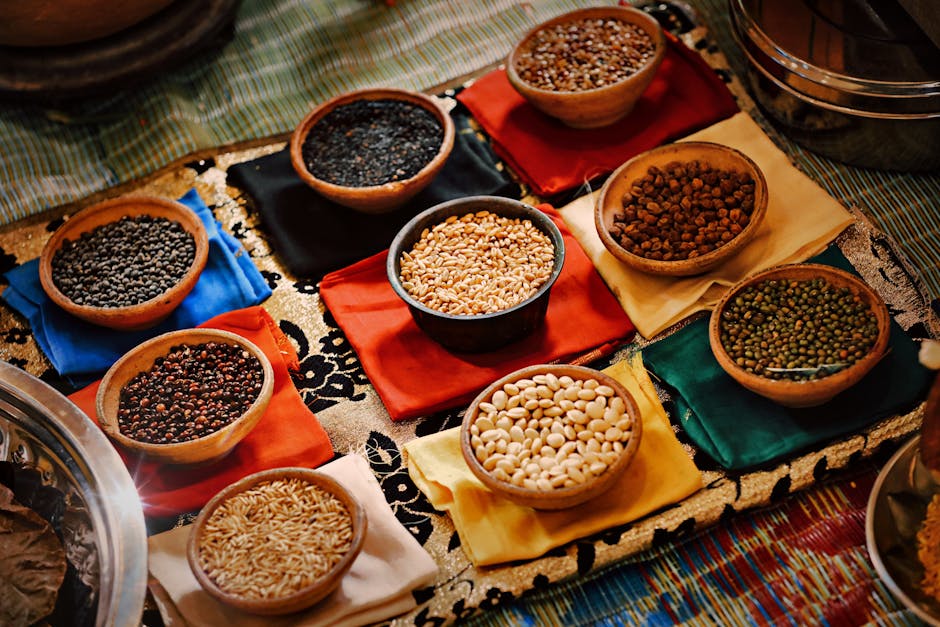
Making small, consistent changes in the kitchen can yield significant health benefits. Swapping butter for extra-virgin olive oil or other liquid vegetable oils (like canola or sunflower oil) can reduce saturated fat intake. Transitioning from refined grains to whole grains—such as barley, bulgur, quinoa, or brown rice—boosts fiber content and provides more sustained energy. These whole grains often cook faster than rice and offer a richer nutritional profile.
Here’s a comparison to illustrate the benefits of choosing whole grains:
Nutrient Refined Grains (e.g., White Rice) Whole Grains (e.g., Brown Rice, Quinoa) Fiber Low High Vitamins Lower (some added back) Higher (B vitamins, Vitamin E) Minerals Lower (some added back) Higher (Magnesium, Iron, Zinc) Protein Moderate Higher Glycemic Index Higher Lower (more stable blood sugar) Managing Sodium and Flavor
A challenge in healthy eating is managing sodium without sacrificing flavor. More than 70% of the salt in our diets comes from restaurant meals and heavily processed foods. This means that cooking at home offers a significant opportunity to control sodium intake.
Instead of relying on pre-packaged sauces or high-sodium ingredients, we can turn to a wealth of natural flavor enhancers. Fresh herbs like basil, cilantro, parsley, and dill, along with aromatic vegetables such as garlic, onions, and ginger, can elevate a dish without adding excessive salt. Citrus zest from lemons, limes, or oranges provides a bright, tangy counterpoint. Spices, from cumin and coriander to paprika and turmeric, offer complex flavor profiles that can transform simple ingredients. Even ingredients like miso paste or anchovies, often perceived as high in sodium, can be used in moderation when cooking most meals at home, as they contribute intense umami and allow for overall sodium reduction compared to processed alternatives. Lower-sodium soy sauce or stock are also excellent choices when a savory liquid is needed.
Quick and Nutritious Weeknight Dinners
For many of us, the biggest hurdle to healthy eating is a lack of time. Busy weeknights often lead to convenience foods or takeout, but a wealth of quick and easy healthy recipes can be prepared in 30-45 minutes or less. These meals prioritize efficiency without compromising on nutrition or taste.
Sheet-pan dinners are a prime example of healthy convenience. Imagine a Sheet-Pan Harissa Salmon with Potatoes and Citrus, which can be prepped quickly and then roasted to perfection, offering a balanced meal with minimal cleanup. This type of recipe often receives high praise, with versions like NYT Cooking’s Sheet-Pan Harissa Salmon garnering 5-star ratings from thousands of users.
One-pot dishes are another weeknight hero. A One-Pot Beans, Greens and Grains recipe, for instance, can combine plant-based protein, fiber-rich greens, and whole grains into a satisfying meal. Recipes like these are celebrated for their simplicity and nutritional completeness, with some variations rated 5 stars by over 5,000 users. For those seeking innovative ways to make quick, healthy meals a regular part of their routine, exploring various Healthy recipes and night stars can provide a treasure trove of inspiration.
Air frying has also emerged as a popular method for achieving crispy textures with less oil. Air Fryer Tuna Steaks with Jicama Slaw, for example, offer a lean protein source with a fresh, crunchy side, ready in minutes. Even hearty options like Slow Cooker Creamy Tomato Lentil Soup can be prepped in advance, making for a comforting and nutritious meal when time is short.

Efficiency Through Modern Cooking Methods
Beyond specific recipes, certain cooking methods are inherently geared towards promoting healthy eating and simplifying the cooking process. These techniques often reduce the need for excessive fats, minimize cleanup, and preserve nutrients.
Air Frying: This method uses circulating hot air to create a crispy exterior, mimicking deep-frying with significantly less oil. It’s excellent for vegetables, lean proteins like chicken or fish, and even homemade fries. Air fryer recipes like parmesan chicken and turkey meatballs provide crunch without the added fat of traditional frying.
Sheet-Pan Meals: As mentioned, these involve cooking an entire meal on a single baking sheet. They are fantastic for busy weeknights, requiring minimal hands-on time and making cleanup a breeze. Think sheet-pan Greek chicken or roasted salmon and vegetables.
One-Pot Dishes: From hearty stews to pasta dishes, one-pot meals consolidate cooking into a single vessel. This not only reduces washing up but also often allows flavors to meld beautifully. Examples include One-Pot Beans, Greens and Grains or Chicken and White Bean Stew, which has received 5-star ratings from over 2,500 users.
Slow Cooking: Ideal for batch cooking and tenderizing tougher cuts of meat or legumes, slow cooking requires minimal supervision once ingredients are added. It’s perfect for soups, stews, and chilis, allowing flavors to deepen over several hours. Slow Cooker Creamy Tomato Lentil Soup is a highly-rated example, beloved by nearly 4,000 users.
These methods often result in dishes that are not only quick and easy but also highly rated by users. For instance, Oven-Roasted Chicken Shawarma has earned 5 stars from over 28,000 ratings, demonstrating how efficient cooking can lead to universally loved healthy meals. They promote healthy eating by making it accessible, enjoyable, and less time-consuming.
Categorizing Meals by Dietary Needs and Lifestyles
Healthy eating is not a one-size-fits-all concept. What works for one person might not suit another, especially when considering dietary needs, preferences, or lifestyle choices. Fortunately, there’s a vast array of healthy recipes that can be categorized to meet diverse requirements.
Mediterranean Diet: This pattern emphasizes plant-based foods, healthy fats (like olive oil), fish, and moderate amounts of poultry and dairy. It’s renowned for its heart-healthy benefits and anti-inflammatory properties. Recipes often feature fresh vegetables, whole grains, legumes, and seafood.
High-Protein Focus: For those aiming to build muscle, increase satiety, or manage weight, high-protein recipes are key. Options include lean meats, poultry, fish, eggs, tofu, lentils, and Greek yogurt. Protein-packed Salmon Sliders on Garlic Spinach, for example, offer a quick and satisfying meal.
High-Fiber Benefits: Fiber is essential for digestive health, blood sugar regulation, and satiety. Recipes rich in vegetables, fruits, whole grains, and legumes (like Alton’s Lentil Soup, which is 372 calories and 8 grams of fat per serving) are excellent choices.
Anti-Inflammatory Ingredients: Certain foods possess properties that help combat inflammation in the body. These include berries, leafy greens, fatty fish (rich in Omega-3s), nuts, and spices like turmeric and ginger.
Specialized Diets: Many resources offer recipes tailored for specific health conditions, such as the DASH diet (for blood pressure management), kidney-friendly options, or diabetes meal plans. Gluten-sensitive adaptations are also widely available, often substituting wheat-based ingredients with alternatives like quinoa, rice, or gluten-free flours.
Here are some examples of heart-healthy protein sources:
- Fish and Seafood: Salmon, tuna, mackerel, sardines, shrimp, cod.
- Legumes: Lentils, chickpeas, black beans, kidney beans, edamame.
- Poultry: Skinless chicken breast, turkey breast.
- Plant-Based: Tofu, tempeh, seitan.
- Dairy (low-fat): Greek yogurt, cottage cheese.
- Eggs: A versatile and complete protein source.
Family-Friendly and Budget-Conscious Options
Healthy eating doesn’t have to break the bank or be a battle with picky eaters. Many recipes are designed to be both economical and appealing to a wide range of palates, including children.
For families, kid-friendly options are abundant. Recipes like whole-grain Oatmeal Pecan Waffles or Quick and Easy Pizza (using a 15-minute rise dough as a healthier alternative to frozen or delivery) make nutritious meals enjoyable. Making healthy food fun and accessible for children is a common goal among recipe developers.
Budget-conscious cooking often involves utilizing seasonal produce, affordable proteins like beans and lentils, and smart meal planning. Many sources offer “10 dinners you can make for $10 or less,” proving that healthy eating can be economical. Seasonal eating not only reduces costs but also ensures ingredients are at their peak flavor and nutritional value. Resources like SNAP-Ed provide thrifty, easy healthy recipes for those on a budget.
Batch cooking is another excellent strategy. Preparing larger quantities of staples like cooked grains, roasted vegetables, or soups (like Ellie’s Tuscan Vegetable Soup, just 145 calories per serving) at the beginning of the week can provide components for multiple meals, making subsequent weeknight dinners much faster. This also encourages using leftovers for lunch, further reducing food waste and saving money.
Essential Ingredients for a Wholesome Kitchen
A well-stocked pantry and refrigerator are the cornerstones of effortless healthy cooking. Having the right ingredients on hand makes it easier to whip up nutritious meals, even on the busiest days.
Healthy Fats: Extra virgin olive oil and balsamic vinegar are staples for dressings, sautéing, and finishing dishes. Liquid vegetable oils like canola or sunflower oil are versatile for various cooking methods.
Whole Grains: Beyond brown rice, experiment with “wonder grains” like quinoa, which cooks faster than rice and is packed with protein and fiber. Barley and bulgur are also excellent additions for texture and nutrition.
Proteins: Rely on a variety of lean protein sources. Fresh fish, especially salmon (rich in Omega-3s), chicken, tofu, eggs, and a diverse range of beans and lentils are excellent choices. Tofu, in particular, is incredibly versatile, absorbing flavors well.
Produce: Aim for a rainbow of locally grown vegetables and fruits. Leafy greens (spinach, kale), cruciferous vegetables (broccoli, Brussels sprouts), and root vegetables (sweet potatoes, carrots) are packed with vitamins and minerals.
Flavor Enhancers: Fresh and dried herbs, unsalted nuts, and seeds add depth and crunch without excess sodium. Greek yogurt can serve as a healthy base for sauces, dressings, or a protein-rich snack.
Sourcing and Preparation Tips
Making smart choices at the grocery store and employing clever preparation techniques can further enhance your healthy eating journey.
The Heart-Check Mark: When shopping, look for the American Heart Association’s Heart-Check mark on food products. This certification ensures that items meet specific nutrition requirements for heart health, making it easier to identify healthier options. The list of Heart-Check certified products is updated monthly, reflecting current nutritional guidelines.
Fresh vs. Frozen: Don’t shy away from frozen produce. Often picked at peak ripeness and flash-frozen, it retains nutrients and can be more convenient and cost-effective than fresh, especially for out-of-season items.
Grated Tofu Techniques: For those exploring plant-based options, grated tofu can be pan-fried and sauced to mimic the texture of ground chicken or other meats, offering a versatile and protein-rich alternative.
Flavor Hacks: Incorporate ingredients like kimchi juice into stir-fries for an instant boost of umami and probiotics. For recipes calling for preserved lemons, fresh lemon zest can often provide a similar bright, tangy note. These small additions can make a significant difference in the overall flavor profile of healthy dishes.
Incorporating Healthy Eating and Recipes into Every Meal
Healthy eating isn’t just about dinner; it’s about making nutritious choices throughout the entire day. From breakfast to snacks, every meal offers an opportunity to nourish your body.
Starting the day with a nutrient-packed smoothie is a fantastic option for busy mornings. Blending mixed berries, a banana, and a liquid base can create a wholesome, 5-minute breakfast. High-fiber breakfasts are also key for sustained energy and digestive health. Options like avocado toast on whole-grain bread or chia seed pudding provide essential nutrients and keep you feeling full.
Here are some quick healthy snack ideas:
- Greek yogurt with berries and a sprinkle of nuts
- Apple slices with a tablespoon of almond butter
- A handful of unsalted almonds or walnuts
- Baby carrots or cucumber slices with hummus
- Hard-boiled eggs
- Edamame (steamed or roasted)
- Whole-grain crackers with a slice of low-fat cheese
Starting the Day with Healthy Eating and Recipes
Breakfast sets the tone for your day, and making it healthy can be both delicious and easy. Overnight oats, prepped the night before, offer a convenient and customizable option. Sweet potato hash with eggs provides a hearty, nutrient-dense start. For a more elaborate but still healthy option, egg-based frittatas or a breakfast strata primavera (around 240 calories per serving) can incorporate a variety of spring vegetables and whole grains, perfect for feeding a family or for meal prepping. Even whole-wheat waffles, made with whole-wheat flour and oats, can be a kid-friendly and nutritious choice.
Satisfying the Sweet Tooth with Healthy Dessert Recipes
We all crave something sweet from time to time, and healthy eating doesn’t mean giving up desserts entirely. The key is mindful indulgence and smart ingredient choices. Fruit-based treats are an excellent starting point; think baked apples with cinnamon, grilled peaches, or a simple fruit salad. Greek yogurt parfaits layered with berries and a sprinkle of granola offer a protein-rich, satisfying dessert.
When baking, consider calorie-conscious swaps. Maple syrup or honey can often replace refined sugars in smaller quantities, providing natural sweetness. Using whole-wheat flour, oats, or almond flour can boost fiber and nutrients. Dark chocolate, in moderation, offers antioxidants and a rich flavor without excessive sugar. For a dedicated exploration of delightful yet wholesome treats, delving into Healthy dessert recipes can open up a world of guilt-free indulgence. The goal is to enjoy sweet flavors in a way that aligns with your overall healthy eating goals.
Frequently Asked Questions about Healthy Eating and Recipes
Navigating healthy eating can bring up many questions. Here, we address some common inquiries to help clarify and guide your culinary journey.
How can I identify heart-healthy products at the grocery store?
Identifying heart-healthy products is made easier with certifications like the American Heart Association’s Heart-Check mark. This symbol indicates that a product meets strict nutritional criteria for heart health, including limits on saturated fat, trans fat, cholesterol, and sodium. The Heart-Check Certified Product List is updated monthly, ensuring you have access to current recommendations. Additionally, looking at nutrition labels for low saturated fat, limited sodium, and high fiber content will help you make informed choices.
What are the best cooking methods for preserving nutrients?
Cooking methods play a significant role in nutrient retention. Steaming, roasting, and quick stir-frying are excellent choices as they use minimal water and often shorter cooking times, which helps preserve water-soluble vitamins (like B and C) and minerals. Air frying also preserves nutrients while reducing the need for excess oil. These methods often enhance the natural flavors of ingredients, reducing the need for heavy sauces or added fats. For example, roasting root vegetables brings out their inherent sweetness, and quick stir-fries retain the crisp texture and vibrant color of vegetables.
How do I transition to a plant-based diet without losing protein?
Transitioning to a plant-based diet doesn’t mean sacrificing protein. The plant kingdom offers a rich array of protein sources. Lentils, chickpeas, and various beans are excellent, providing both protein and fiber (for example, Alton’s Lentil Soup offers 8 grams of fat and significant fiber per serving). Tofu and tempeh are versatile soy-based options that absorb flavors beautifully. Quinoa is a complete protein, meaning it contains all nine essential amino acids. Nuts and seeds also contribute protein and healthy fats. By incorporating a variety of these plant-based proteins into your meals, you can easily meet your daily protein requirements while enjoying a diverse and fiber-rich diet.
Conclusion
Embarking on a journey of healthy eating and recipes is about more than just dietary restrictions; it’s about cultivating sustainable habits, fostering culinary creativity, and embracing joyful eating for long-term wellness. By understanding the core principles of balanced nutrition, making smart ingredient swaps, and utilizing efficient cooking methods, we can transform our kitchens into vibrant spaces where wholesome, delicious meals come to life.
The benefits of home cooking extend beyond physical health, contributing to mental well-being and a deeper connection to the food we consume. From quick weeknight dinners to satisfying healthier desserts, there are countless ways to infuse flavor-first nutrition into every aspect of our lives. We hope this guide empowers you to explore new recipes, experiment with fresh ingredients, and discover the profound joy that comes from nourishing your body with care and creativity.