














Core Principles and Building a Foundation with Daily Recipes
We often know that healthy eating is important. But turning that knowledge into daily habits can feel overwhelming. Finding clear, practical advice amidst so much information can be a real challenge for many of us.
Our diet plays a vital role in our overall health and well-being. It affects everything from our energy levels to our long-term disease prevention. Making informed food choices is crucial for a thriving life.
This extensive guide, updated for April 2026, aims to simplify healthy eating advice. We will explore the core principles backed by leading health organizations. Our goal is to empower you to build sustainable, nutrient-dense eating patterns.
We believe that focusing on adequacy, balance, moderation, and diversity is key. This approach helps us make choices that support our bodies effectively. For inspiration on turning these principles into delicious meals, exploring Healthy daily recipes can be a great starting point. This article will provide actionable steps and practical strategies to integrate these concepts into your everyday life.
We begin by establishing the fundamental principles of a healthy diet, universally endorsed by leading health organizations such as the World Health Organization (WHO), the Centers for Disease Control and Prevention (CDC), and the latest Dietary Guidelines for Americans. These bodies consistently advocate for an eating pattern rooted in adequacy, balance, moderation, diversity, and safety. This means ensuring we obtain all necessary nutrients, consuming foods in appropriate proportions, avoiding excess or deficiency, enjoying a wide array of foods to maximize nutrient intake, and ensuring our food is free from harmful contaminants.

A visual guide, often represented by a “Healthy Eating Plate” model, helps us conceptualize these proportions, offering a science-based approach to meal construction. We aim to fill half our plate with a colorful assortment of vegetables and fruits (with a note that starchy vegetables like potatoes, due to their impact on blood sugar, are often grouped with grains rather than non-starchy vegetables). The remaining half should be split between whole grains and healthy protein sources, complemented by healthy plant oils.
Building Blocks of a Healthy Plate:
- Fruits and Vegetables: These should be the cornerstone of every meal, providing a rich source of vitamins, minerals, fiber, and phytonutrients. The WHO recommends that everyone older than 10 years of age consume at least 400 grams of fruits and vegetables daily. This translates to roughly five portions of a variety of fruit and vegetables each day, with each portion being around 80g for fresh, canned (in water or juice), or frozen options. The emphasis on “variety” and “color” is crucial because different fruits and vegetables offer distinct nutritional profiles and protective compounds, contributing to a broader spectrum of health benefits and disease prevention. Aiming for a rainbow on your plate ensures you’re not missing out on vital nutrients.
- Whole Grains: Unlike refined grains, whole grains retain their bran, germ, and endosperm, providing essential fiber, B vitamins, and minerals. They should form a significant part of our carbohydrate intake, offering sustained energy and supporting digestive health. Examples include brown rice, quinoa, oats, whole wheat bread, whole-grain pasta, and barley. Prioritizing these intact whole grains over refined carbohydrates helps regulate blood sugar levels and contributes to overall satiety.
- Healthy Proteins: Our bodies need protein for growth, repair, immune function, and numerous bodily processes. We should prioritize lean protein sources, including plant-based proteins like lentils, chickpeas, beans, nuts, and seeds. Lean meats, poultry, eggs, and seafood (especially oily fish rich in omega-3 fatty acids, recommended at least twice a week) are also excellent choices. Aim for a diverse mix of these sources to ensure a complete amino acid profile and a wide range of micronutrients. Low-fat dairy products or fortified soy alternatives also contribute valuable protein and calcium.
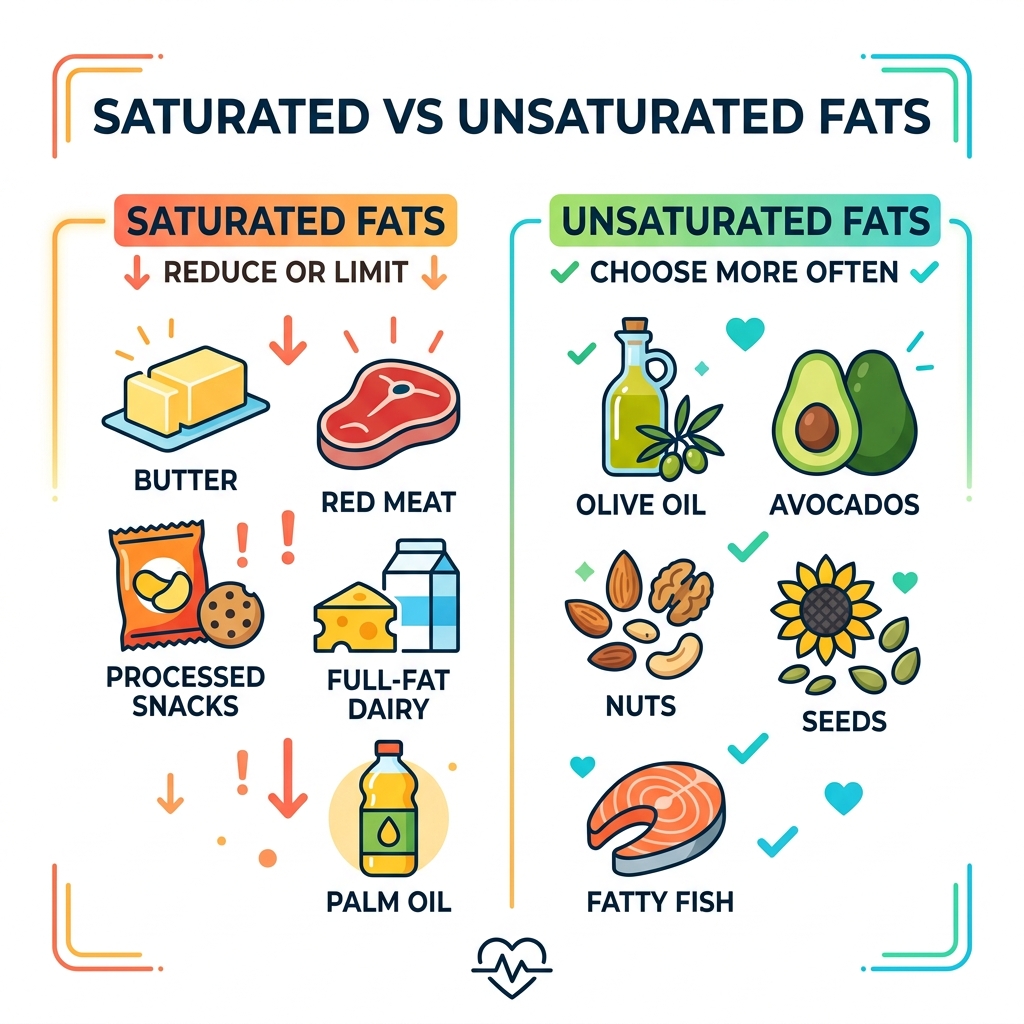
- Healthy Fats: Not all fats are created equal. We should favor unsaturated fats found in sources like olive oil, canola oil, avocados, nuts, and seeds. These fats are crucial for hormone production, nutrient absorption of fat-soluble vitamins, and supporting cardiovascular health. Incorporating these healthy plant oils in moderation, for example, by using them in cooking or as salad dressings, is key.
By focusing on these foundational food groups, we naturally increase our intake of dietary fiber, which is paramount for digestive health, blood sugar control, and plays a significant role in preventing chronic diseases like heart disease, type 2 diabetes, and certain cancers.
Managing Limits: Sugars, Sodium, and Fats
While building a foundation of nutrient-rich foods, it’s equally important to be mindful of certain components we should limit. Excessive intake of added sugars, sodium, and unhealthy fats can contribute significantly to various health issues, including obesity, type 2 diabetes, heart disease, high blood pressure, and certain cancers.
Added Sugars: Free sugars, often referred to as added sugars, should be limited to less than 10% of our total daily energy intake. For an individual consuming approximately 2000 calories per day, this equates to about 50 grams, or roughly 12 level teaspoons. Ideally, health organizations suggest aiming for even less, closer to 5% of total energy, to maximize health benefits. Sugary drinks, including sodas, fruit juices with added sugar, and sweetened coffees/teas, are a particularly common and often overlooked source of these added sugars. To significantly reduce intake, we can opt for plain water, unsweetened coffee or tea, or lower-fat milk and fortified soy beverages. Flavoring water naturally with slices of fruit like berries, lemon, cucumber, or mint can make it more appealing and help us avoid sugary alternatives. Reading nutrition labels diligently helps us identify hidden sugars, which can appear under various names such as corn syrup, dextrose, fructose, glucose, sucrose, maltose, and honey.
Sodium (Salt): High sodium intake is a major public health concern, with adults advised to limit salt to less than 5 grams per day (which is equivalent to 2 grams of sodium). This is a crucial guideline, especially considering that more than 70% of the sodium Americans consume comes from packaged and prepared foods, not from the salt shaker at the table. In fact, 90% of the sodium we consume is from salt. To cut back, we should prioritize fresh, unprocessed foods and reduce our reliance on highly processed items like certain breads, pizzas, deli meats, canned soups, and savory snacks. Instead, choosing fresh or frozen vegetables without added salt, and seasoning meals generously with fresh herbs, spices, garlic, onion, lemon juice, or no-salt blends can dramatically reduce our intake without sacrificing flavor. Additionally, increasing our intake of potassium-rich foods, such as bananas, leafy greens, and potatoes, can help mitigate the negative effects of high sodium on blood pressure.

Unhealthy Fats: While healthy fats are essential for various bodily functions, we need to limit saturated fats and, critically, eliminate industrially-produced trans fats from our diets. Saturated fats should ideally be less than 10% of our total daily energy intake, and trans fats should be less than 1%. For men, this means aiming for no more than 30g of saturated fat a day, and for women, no more than 20g. These unhealthy fats are often found in fatty meats, butter, full-fat dairy, palm and coconut oils, and many processed snacks, baked goods, and fried foods. Industrially-produced trans fats, often listed as “partially hydrogenated oil,” should be avoided entirely due as they significantly raise bad cholesterol and lower good cholesterol. We can replace these unhealthy fats with unsaturated fats from plant sources like olive oil, canola oil, avocados, nuts, and seeds. Opting for cooking methods such as baking, grilling, roasting, or steaming instead of deep-frying also significantly helps reduce overall fat intake.
By making conscious choices and diligently reading food labels, we can effectively manage our intake of these components, paving the way for better long-term health outcomes and reducing the risk of chronic diseases.
Practical Strategies and Nutrition Across the Life Course
Adopting healthy eating principles is a lifelong journey, not a temporary diet. Practical strategies and an understanding of nutritional needs across different life stages can make this journey more manageable, enjoyable, and ultimately, more successful.
Sustainable Eating Habits: Building sustainable habits involves more than just knowing what to eat; it’s about integrating these choices seamlessly into our daily lives and making them a natural part of our routine. Here are some actionable steps to foster lasting healthy eating:
- Meal Planning: Dedicate time each week to plan your meals and snacks. This proactive approach helps ensure you have healthy ingredients on hand, reduces impulsive unhealthy food choices, and can significantly cut down on food waste and grocery expenses. Planning also allows for balanced meals throughout the week, incorporating all necessary food groups.
- Food Diary: Keeping a detailed food diary, even for a few days, can provide invaluable insights into your current eating patterns. It helps you identify strengths, weaknesses, and areas for improvement, allowing you to make targeted adjustments and track your progress towards healthier habits.
- Smart Snacking: Prepare healthy snacks in advance to avoid reaching for processed options when hunger strikes. This could include pre-cut vegetables stored in water to keep them crisp, portioned nuts and seeds, fresh fruit, or homemade whole-grain energy bites.
- Prioritize Hydration: Make water your primary beverage. Keep a reusable water bottle handy throughout the day and infuse it with natural flavors from citrus slices (lemon, lime, orange), cucumber, or berries for a refreshing twist. Adults are generally advised to drink 6-8 glasses of fluid daily to maintain optimal hydration.
- “Remake” Comfort Foods: We don’t have to eliminate our favorite comfort foods entirely. Instead, learn to adapt them using healthier ingredients and cooking methods. For example, remake macaroni and cheese with non-fat milk, less butter, low-fat cheese, and incorporate nutrient-dense vegetables like spinach and diced tomatoes. Enjoy these foods less often, in smaller portions, or by choosing lower-calorie versions without increasing portion sizes. This approach allows for occasional indulgence without derailing overall health goals.
- Foster Community Connection: Eating can be a powerful social activity. Consider initiatives like “Together Tuesdays,” where you make an effort to share a quick, healthy meal with loved ones once a week. This fosters connection, supports mental well-being, and makes healthy eating a shared, enjoyable experience rather than an isolated effort.
Calorie Balance and Weight Management: Maintaining a healthy weight is fundamentally about balancing the energy we consume (calories in) with the energy we expend (calories out). On average, men typically require around 2,500 calories a day (10,500 kilojoules), while women need approximately 2,000 calories a day (8,400 kilojoules). These are general guidelines, and individual needs can vary significantly based on age, activity level, body size, and metabolism. Staying within our daily calorie needs, combined with regular physical activity, is a cornerstone of effective weight management and overall metabolic health.
Nutrition Across the Life Course: Nutritional needs evolve dramatically throughout life, and healthy eating patterns established early often persist, underscoring the importance of lifelong education and support.
- Infants and Children: Healthy dietary behaviors are critical from infancy through childhood. Early life nutrition sets the stage for long-term health, influencing growth, cognitive development, and disease prevention. Alarmingly, current statistics indicate that more than half of children under five and over two-thirds of non-pregnant women of reproductive age are deficient in at least one key micronutrient, typically iron, zinc, vitamin A, or folate. Addressing these deficiencies through diverse, nutrient-dense foods is paramount for healthy development.
- Adults: For adults, healthy eating is vital for maintaining overall well-being, preventing the onset and progression of chronic diseases such as heart disease, type 2 diabetes, and certain cancers. It also plays a crucial role in managing existing chronic conditions, preventing complications, and improving quality of life, contributing to longer, healthier lives.
- Specific Nutrient Focus: Beyond general food groups, paying attention to specific micronutrients is crucial across all ages. For instance, Vitamin D plays a significant role in aiding calcium absorption, which is essential for strong bones and preventing osteoporosis. Ensuring adequate intake of these vitamins and minerals, often through a diverse diet rich in fruits, vegetables, whole grains, and fortified products, supports health at every stage of life.
By adopting these practical strategies and recognizing the evolving nutritional demands across different life stages, we can cultivate lasting healthy eating habits for ourselves and our families, fostering a foundation for enduring health and vitality.
Frequently Asked Questions about Daily Recipes
How can I simplify my daily recipes for better health?
Simplifying healthy cooking doesn’t mean sacrificing flavor or nutrition; it’s about making smart choices and adopting efficient preparation methods. One of the most effective strategies is to embrace convenience items that are still wholesome and nutrient-rich. Frozen produce, for example, is often picked at its peak ripeness and flash-frozen, locking in nutrients. It’s a fantastic, time-saving alternative to fresh, especially for items like berries for smoothies, spinach for sautés, or mixed vegetables for stir-fries and stews. Similarly, canned beans and lentils (always remember to rinse them thoroughly to remove excess sodium) are excellent, ready-to-use sources of plant-based protein and fiber, perfect for adding to salads, soups, or stews.
For cooking methods, opt for lighter, healthier approaches. Steaming, boiling, or sautéing with minimal healthy fats are preferable to deep-frying. Using non-stick pans with just a little cooking spray or a teaspoon of olive oil can significantly reduce the need for excessive fats. Incorporating whole grain staples like pre-cooked quinoa or brown rice (which can be made in larger batches at the start of the week and stored) into your weekly meal prep significantly cuts down on cooking time during busy evenings. Even simple time-saving prep like pre-cutting vegetables and storing them in water can keep them fresh and ready for quick meals or snacks. These small, strategic adjustments make healthy eating more accessible, less daunting, and ultimately, more sustainable in our busy lives.
Are comfort foods allowed in healthy daily recipes?
Absolutely! Healthy eating isn’t about rigid rules or deprivation; it’s about balance, mindfulness, and creating sustainable habits. Comfort foods can certainly be part of a healthy eating pattern, provided we approach them with moderation. The key lies in consuming them less often, in smaller portions, and actively exploring opportunities for “healthier remakes” or ingredient swaps.
Consider your favorite dishes and think creatively about how to lighten them up without sacrificing too much of the essence. For instance, if you love macaroni and cheese, you can significantly reduce its calorie and fat content by using non-fat milk, a smaller amount of low-fat cheese, and incorporating nutrient-dense vegetables like spinach and diced tomatoes directly into the dish. Instead of frying, choose healthier cooking methods like baking or grilling for foods such as chicken or fish. These small, thoughtful adjustments allow us to enjoy the flavors and nostalgic value of our beloved comfort foods while making them more aligned with our health goals. It’s about adapting and evolving our recipes, not eliminating them entirely.
What are the best beverages to pair with meals?
When it comes to beverages, hydration is paramount, and water should always be our top choice. Adults are generally advised to drink 6-8 glasses of fluid daily to maintain optimal bodily functions. To make water more appealing and enjoyable, infuse it with natural flavors from citrus slices (lemon, lime, orange), cucumber, or a handful of berries. These additions provide a refreshing taste without any added sugars or artificial ingredients.
Other excellent choices to pair with meals include unsweetened coffee and tea, both of which can offer antioxidant benefits. If you prefer dairy, opt for lower-fat milk or fortified soy beverages, which provide essential calcium and vitamin D without excessive saturated fat. It’s important to be particularly mindful of fruit juice; while it contains some vitamins, it also packs a significant amount of natural sugars and lacks the beneficial fiber of whole fruit. Health guidelines recommend limiting fruit juice intake to no more than 150ml per day. Avoiding sugary drinks entirely, including sodas, sweetened teas, sports drinks, and energy drinks, is one of the most impactful steps we can take to reduce our added sugar intake, manage calorie consumption, and support overall health. Making these simple beverage swaps can have a profound positive effect on your daily nutrition.
Conclusion
As we navigate the complexities of modern living in April 2026, the principles of healthy eating remain a steadfast guide to lifelong wellness. By grounding our choices in evidence-based advice from leading health organizations, we empower ourselves to build sustainable eating patterns that nourish our bodies and minds effectively.
Focusing on adequacy, balance, moderation, and diversity in our daily recipes allows us to enjoy a rich array of nutrient-dense foods while being mindful of limits on added sugars, sodium, and unhealthy fats. From incorporating more fruits and vegetables into every meal to making smart, healthier swaps in our favorite comfort foods, every small, consistent step contributes to a larger picture of improved health and vitality.
Embracing practical strategies like thoughtful meal planning, understanding calorie balance, utilizing a food diary, and fostering community connection around shared meals can transform healthy eating from a perceived chore into an enjoyable and integral part of our lives. By making informed, conscious choices about what we eat and drink, we not only protect ourselves from chronic diseases and manage existing conditions more effectively but also cultivate a vibrant foundation for sustainable health and well-being for ourselves and our families for years to come. Dietary diversity and a balanced energy intake are not just recommendations; they are cornerstones of a thriving life.