












A strong memory and good concentration are crucial for a child’s creativity, learning and for overall development. In today’s time, children are often exposed to various distractions, academic pressure and screens making it difficult for the child to stay attentivei. The right nutrition supports learning, focus and memory as it supplies energy and essential nutrients for production of neurotransmitters, oxygen transport and for efficient brain cell communication. The brain is the most energy demanding organ which requires a constant supply of glucose and other nutrients to function effectively.
A balanced meal helps in providing the required energy and supporting mental alertness throughout the day.ii When the daily intake may fall short due to various reasons like busy schedule or picky eating, nutritional beverages like Complan Nutrigro (for 2-6yr old) and Complan (for 7-14 yr old) can be included as a part of balanced meal to help build the nutritional gaps. Constant nourishment can help support focus, concentration, and memory in children
Why Is Nutrition Important for Brain Functioning?
The brain consumes a significant portion of daily energy. It requires steady flow of nutrients to manage functions such as attention, problem solving, reasoning, memory and emotion regulation. Children when receive balanced child nutrition, the brain function is better equipped to process information and remain attentive for longer durations.
Certain nutrients play an important role in cognitive functioning:
- Proteins provide amino acid that help in neurotransmitter production
- Iron supports oxygen transport
- B vitamins assist in energy metabolism
- Zinc in neuronal signalling
- Omega – 3 fatty acid for brain cell structure
Together these nutrients form the foundation of child nutrition needed for improving memory, power, learning and performance,
The Role of Steady Energy in Focus and Learning
Glucose is the primary source of fuel for the brain. The type of carbohydrates consumed by children determine how steady the flow of energy will be. Foods like whole grains, whole fruits, and vegetables can help with gradual glucose release, explain how to increase focus and help maintain a stable attention span in school.
On the contrary, highly refined snacks which are high in sugar or sugary beverages can cause faster spikes and drops in the blood glucose levels. The fluctuations caused can influence the mood, behaviour and also concentration. Individuals often look out for solutions which improve focus. The easiest solution to this is following structured and healthy well balanced food choices. Example of balance food combination includes pairing fruit with nuts.
Protein and Brain Performance
Proteins are required for the production of brain chemicals which influences alertness and mood. Amino acids derived from protein foods aid with maintaining mental clarity and attention. Inclusion of adequate protein in the meals can be an effective way on how to develop concentration and focus among children
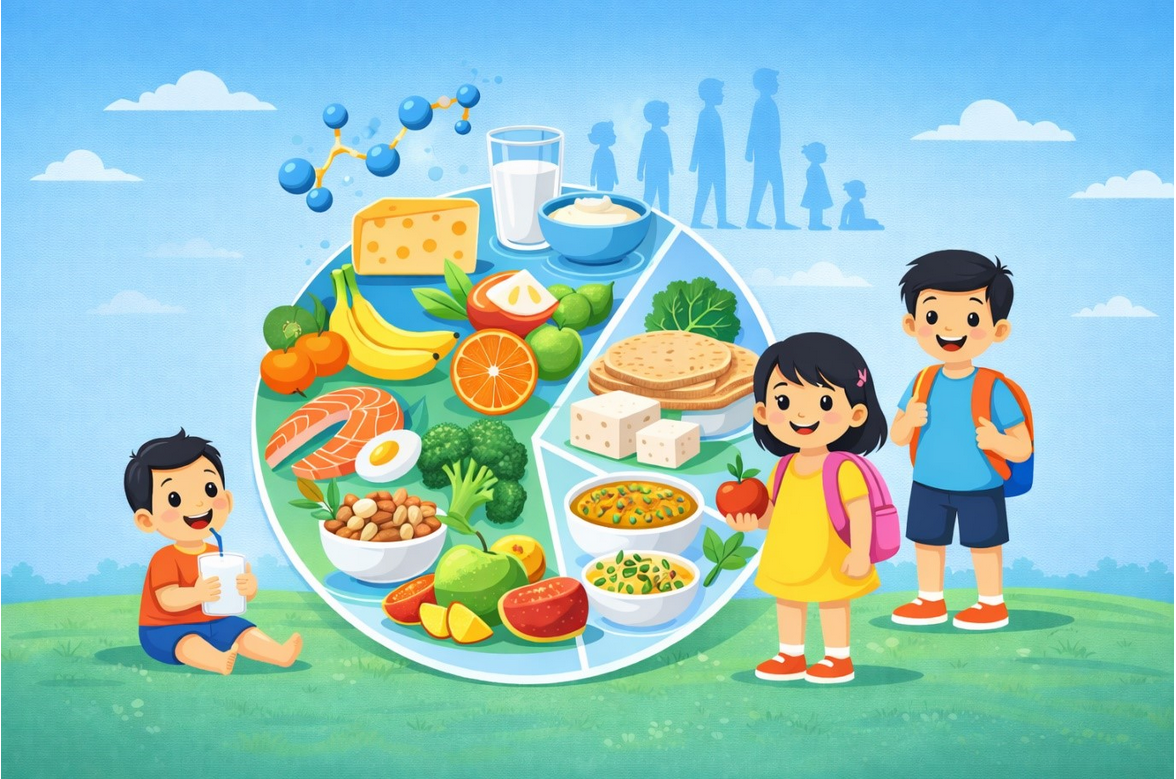
Protein rich sources include:
- Poultry (egg, chicken), meat
- Seafood
- Dairy products (milk, curd, yogurt, paneer)
- Soy and products (soy chunks, tofu)
Making sure protein intake is adequate in the breakfast is particularly beneficial, as it will help develop concentration and focus among children.
Healthy Fats and Memory Development
The brain comprises largely of fats, making healthy fats essential part of child nutrition. Omega 3 fatty acids like DHA are part of brain cell membranes, allowing signals to efficiently pass through the neuron.
Nuts and oilseeds like flaxseeds, walnuts are valuable addition to the daily intake of these healthy fats. Moderate consumption of fats like ghee in home–cooked meals can also be helpful. Including these healthy fats regularly in the meal can support memory power overtime by supporting optimal brain cell functioning.
Iron, Micronutrients and Attention Span
Deficiency of iron can affect the learning efficiency as iron helps carry oxygen in the blood, and low iron levels may affect a child’s ability to learn effectively. Iron rich foods such as green vegetables, lentils, black cumin seeds can be included timely in the child’s meal. Pairing the iron rich foods along with vitamin C sources like lemon can help improve its absorption.ix Micronutrients such as zinc, selenium, calcium and B – vitamins play an important role in supporting cognitive processes and attention span. Diverse and colourful plates make sure that children receive a wide variety of nutrients necessary for sustained focus and learning.
Hydration and Cognitive Clarity
Hydration is often an overlooked aspect. Even light dehydration can impact the mood, decrease attention span and alertness. Motivating children to drink water and fluids regularly helps mental functioning. Sometimes what might appear to be lack of focus can simply be dehydration.
The Gut–Brain Connection
Recent research has highlighted the link between gut microflora and brain functioning. The digestive system interacts with the brain through various complicated pathways. A diet high in fiber which includes fruits, vegetables, and whole grains supports healthy digestion, which in turn contributes to emotional and cognitive readiness. Fermented foods and foods containing probiotics can provide additional benefits to the gut. A balanced gut may support overall well‑being, which can be helpful for focus and learning. xii
Practical Strategies for Parents
Here are few practical ways on how to increase focus, and how to develop concentration and focus in children:
- Scheduled timing for meals.
- Including protein in every meal.
- Adding nuts or seeds as snacking options.
- Encouraging balanced breakfast consumption.
- Limiting processed foods.
- Adequate consumption of water throughout the day.xiii
Nutrition Works Best with Healthy Lifestyle Habits
While nutrition is a cornerstone, when combined with adequate sleep, regular physical activity and structural routine, it supports growth and development of children. Sleep helps in stronger memory, while exercise improves blood flow to the brain. Limiting screen usage to the minimum also supports cognitive performance
Conclusion
A child’s ability to stay attentive, process information and retain knowledge is closely related to daily nourishment. Balanced child nutrition gives energy and nutrients needed for learning, attention and memory.1 Complan (for 7-14 yr old) with 63% more protein than other nutritional drink and 34 vital nutrients can be given as a part of a healthy balanced diet which will help support nutrient intake in school‑going children. Complan Nutrigro (for 2-6yr old) , a nutritional drink for toddlers that has a 50:50 blend of whey and casein and 34 vital nutrients including iron, calcium, selenium, and DHA, along with probiotic Bifidobacterium lactis making it different from regular drinks. Including it as a part of balanced meals helps support overall growth, including – physical growth, cognitive development and immune system. Structured meals, diverse nutrient intake, and including supportive nutritional options like Complan Nutrigro (for 2-6yr old) and Complan (for 7-14 yr old) along with well balanced meals, can help build a strong nutritional foundation in children.